Qeshm launches multimedia documentation project to preserve island’s intangible heritage
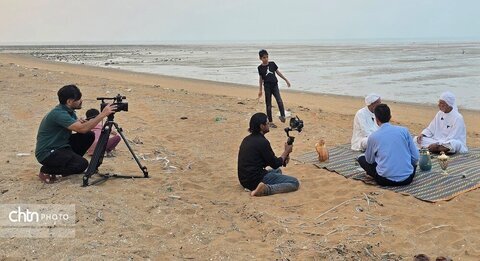
TEHRAN - Qeshm Island has launched a multimedia documentation project to record and preserve its indigenous knowledge, oral history and intangible cultural heritage, with the aim of passing the island’s traditional knowledge and cultural practices on to future generations.
Seyyed Mehdi Mousavi-Ojagh, deputy for cultural, social and tourism affairs of the Qeshm Free Zone Organization, said the initiative involves conducting multimedia interviews with local cultural figures and tradition bearers to document their knowledge, experiences and accounts of the island’s cultural heritage.
According to the official, the project focuses on several aspects of Qeshm’s traditional culture, including indigenous maritime knowledge, local stories and narratives, traditional knowledge related to water heritage, and other elements of the island’s oral history.
He stressed that much of a community’s intangible heritage is preserved in the memories, skills and personal experiences of local people, warning that valuable knowledge could disappear permanently if it is not documented before its bearers pass away.
The initiative seeks to prevent the loss of indigenous knowledge and facilitate the transmission of previous generations’ experiences and cultural practices to younger people, ensuring their continued recognition as part of Qeshm’s historical and cultural identity.
Mousavi-Ojagh also identified community-based cultural tourism as one of the expected benefits of the project, saying that documenting local narratives, skills and traditional knowledge could help introduce the island’s cultural attractions more comprehensively and encourage tourism rooted in local identity and authenticity.
Located in the Persian Gulf, Qeshm is Iran’s largest island and is known for its distinctive combination of natural, geological and cultural heritage. Its cultural traditions include traditional wooden boatbuilding, known as Lenj construction, Bandari embroidery and mat weaving, as well as distinctive local customs and oral traditions.
The island is also home to the Hara mangrove forests and the Qeshm Island UNESCO Global Geopark, which encompasses 26 geological sites and was the first geopark of its kind in West Asia.
The documentation project is intended to turn the knowledge and experiences of older generations into a lasting cultural resource, supporting heritage preservation, education and the development of cultural tourism, the official underlined.
AM
Leave a Comment